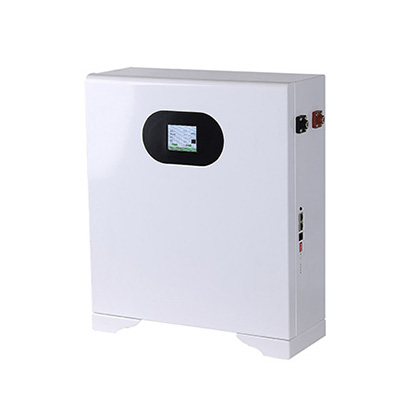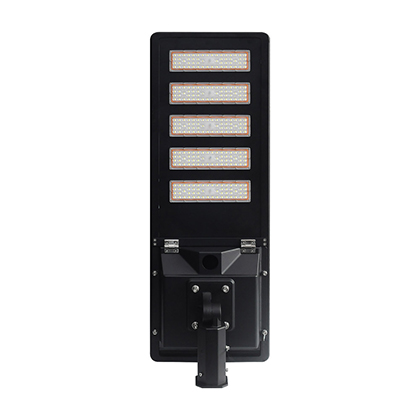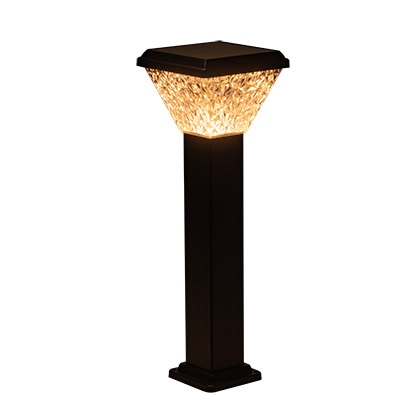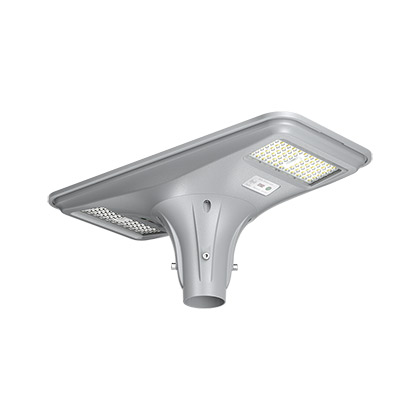
A solar street light is an independent lighting system powered by solar energy. It typically consists of:
During the day, the solar panel charges the battery. At night, the stored energy powers the LED light automatically without relying on the electrical grid.
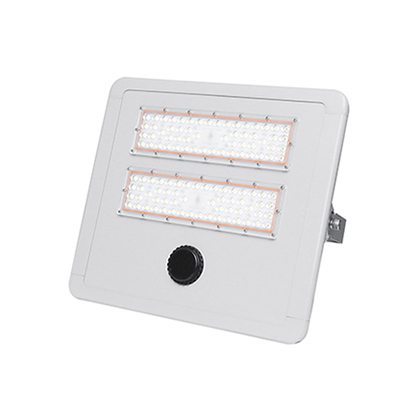
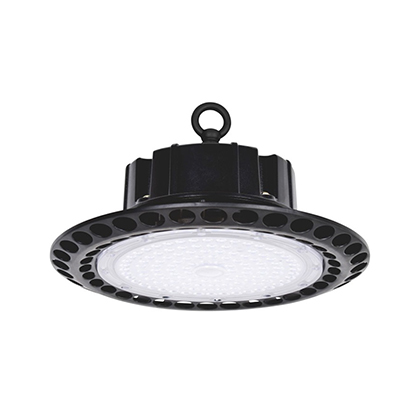
A traditional LED street light uses high-efficiency LED technology but requires a connection to the local electrical grid. It usually includes:
Although LED technology significantly reduces electricity consumption compared with conventional lighting, grid-powered systems still require continuous electricity and infrastructure.
Comparison Between Solar Street Lights and Traditional LED Street Lights
| Feature | Solar Street Light | Traditional LED Street Light |
|---|---|---|
| Power Source | Solar energy | Utility grid |
| Electricity Cost | None | Monthly electricity bills |
| Installation | No trenching or cabling | Requires underground wiring |
| Maintenance | Low | Moderate |
| Environmental Impact | Renewable and low carbon | Depends on grid electricity |
| Suitable for Remote Areas | Excellent | Limited |
| Initial Investment | Higher | Lower |
| Long-Term Operating Cost | Lower | Higher |
Traditional street lighting often requires excavation, underground cables, electrical cabinets, and utility connections. These civil works can account for a large portion of the project budget.
Solar street lights eliminate most of these requirements, making installation faster and more cost-effective, especially in rural areas, highways, parks, and locations where grid access is limited.
One of the biggest advantages of solar street lights is that they operate using free solar energy.
After installation, there are no electricity bills, which can significantly reduce operating expenses over the system's lifetime.
Traditional LED street lights consume less electricity than older technologies, but they still rely on utility power and ongoing energy costs.
Modern solar street lights are designed with long-life LiFePO₄ batteries and high-efficiency LED modules.
Routine maintenance mainly includes:
Traditional LED street lights may require electrical inspections, cable repairs, and maintenance of grid-connected components.
Solar street lights reduce carbon emissions by using renewable energy instead of fossil-fuel-generated electricity.
Many governments and organizations choose solar lighting to support sustainability goals and reduce environmental impact.
Solar street lights are particularly suitable for:
These locations often benefit from lower installation costs and greater independence from the power grid.
Grid-powered LED street lights may be a better choice when:
Both solar street lights and traditional LED street lights provide efficient outdoor lighting, but the best choice depends on your project's location, budget, and long-term goals.
If your priority is reducing electricity costs, simplifying installation, and supporting sustainable development, solar street lights are often the better investment. For projects with reliable grid infrastructure and specific power requirements, traditional LED street lights may still be a suitable option.
Before making a final decision, evaluate factors such as installation conditions, sunlight availability, maintenance expectations, and total lifecycle costs. A professional lighting supplier can help design the most appropriate solution for your application.

Tel: +86-180 7744 5060/ +86-136 3111 8767
Email: sales@yuanfongsolar.com / helen@yuanfongsolar.com
Website: https://www.yuanfongsolar.com
Add: No.96 Xinxing Road, Jianghai District, Jiangmen City, Guangdong Province, China.
Copyright © Jiangmen Yuanfeng Lighting Appliance Co.,Ltd. All Rights Reserved. 粤ICP备2025395080号 Sitemap XML